How to choose the right training treats for a puppy
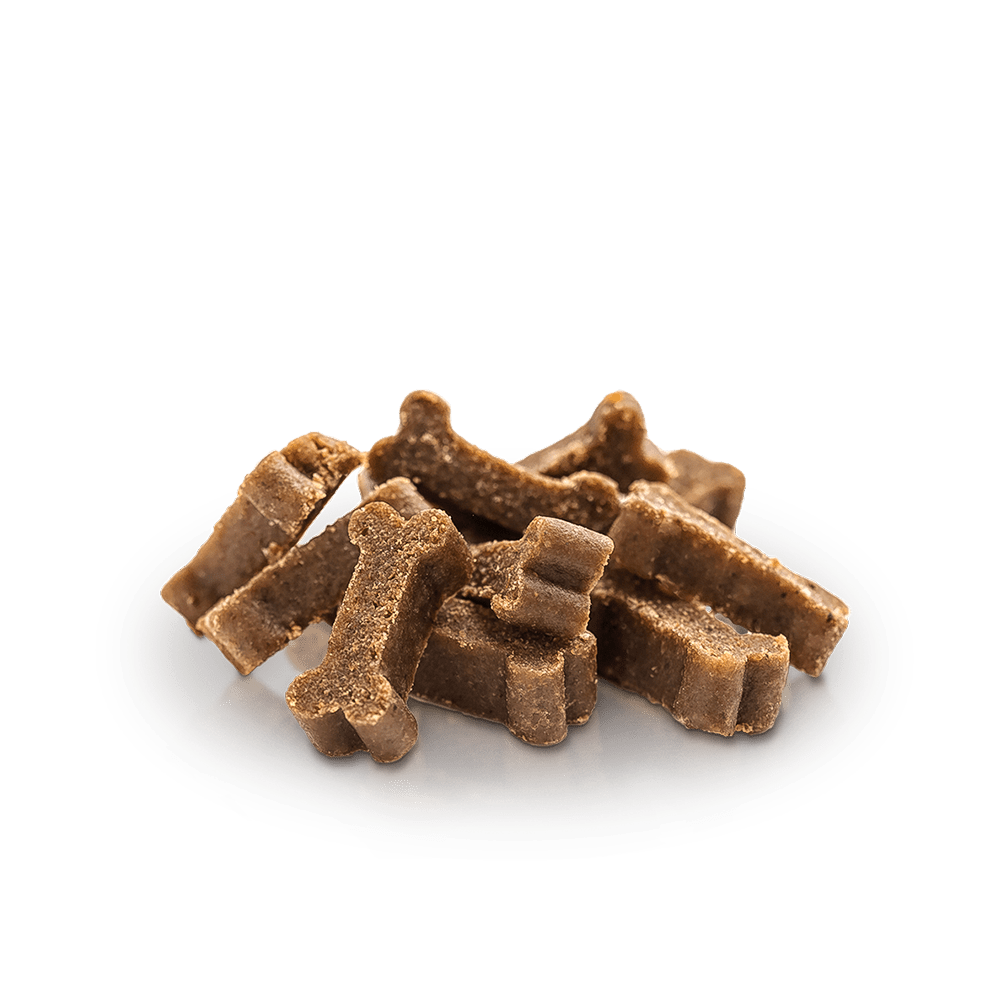
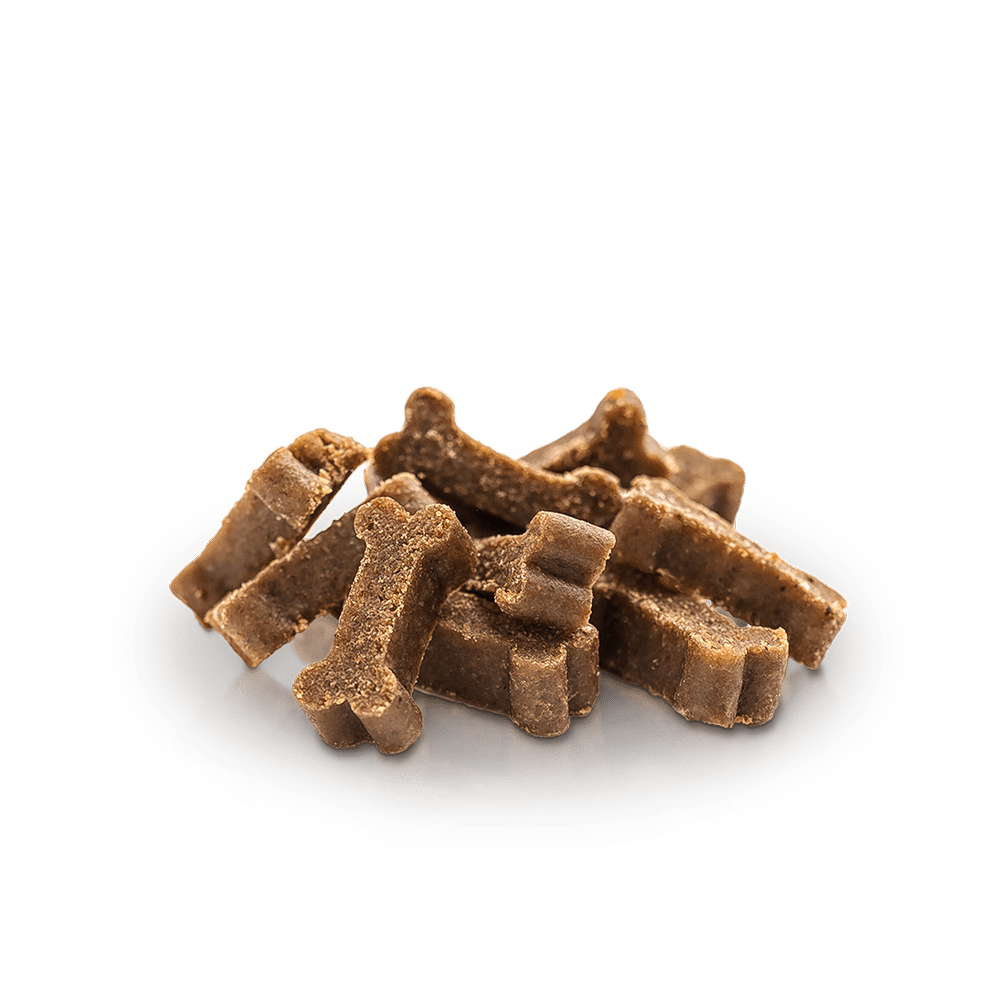
A training treat for a puppy needs to be three things at once: small, quick to swallow and tasty enough to hold the little dog's focus. During recall, obedience and house training you reward many times in a row, and if each piece is large or chewy, the pace of the training is lost while the puppy stands there chewing. That is why the best training treats are small, soft and easy to portion into bite-sized pieces.
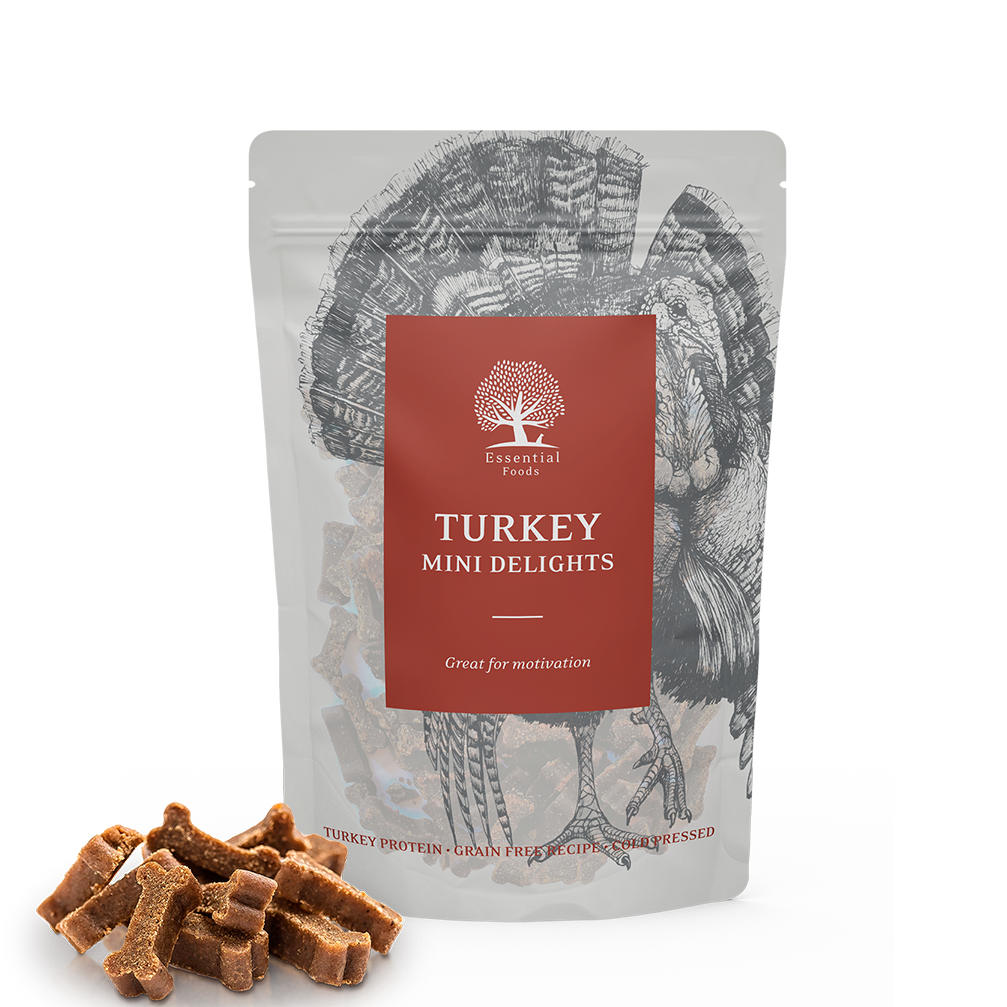
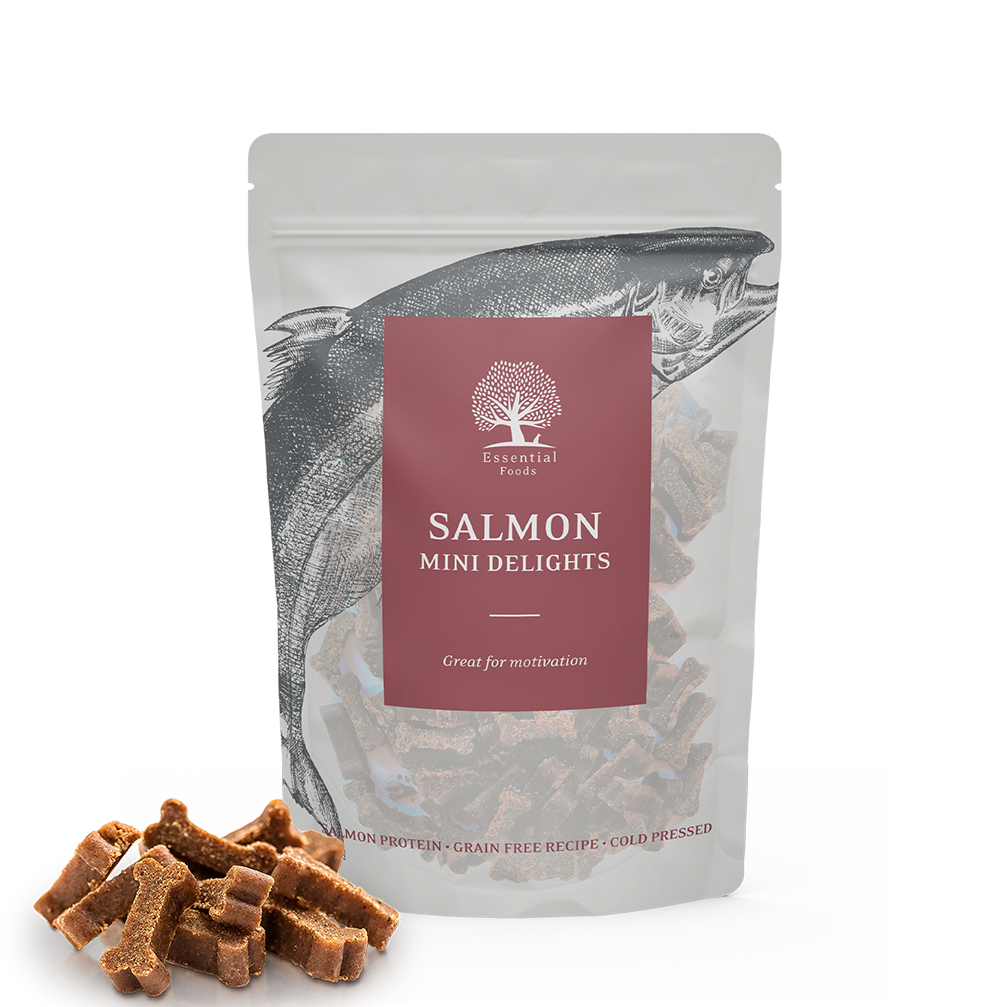
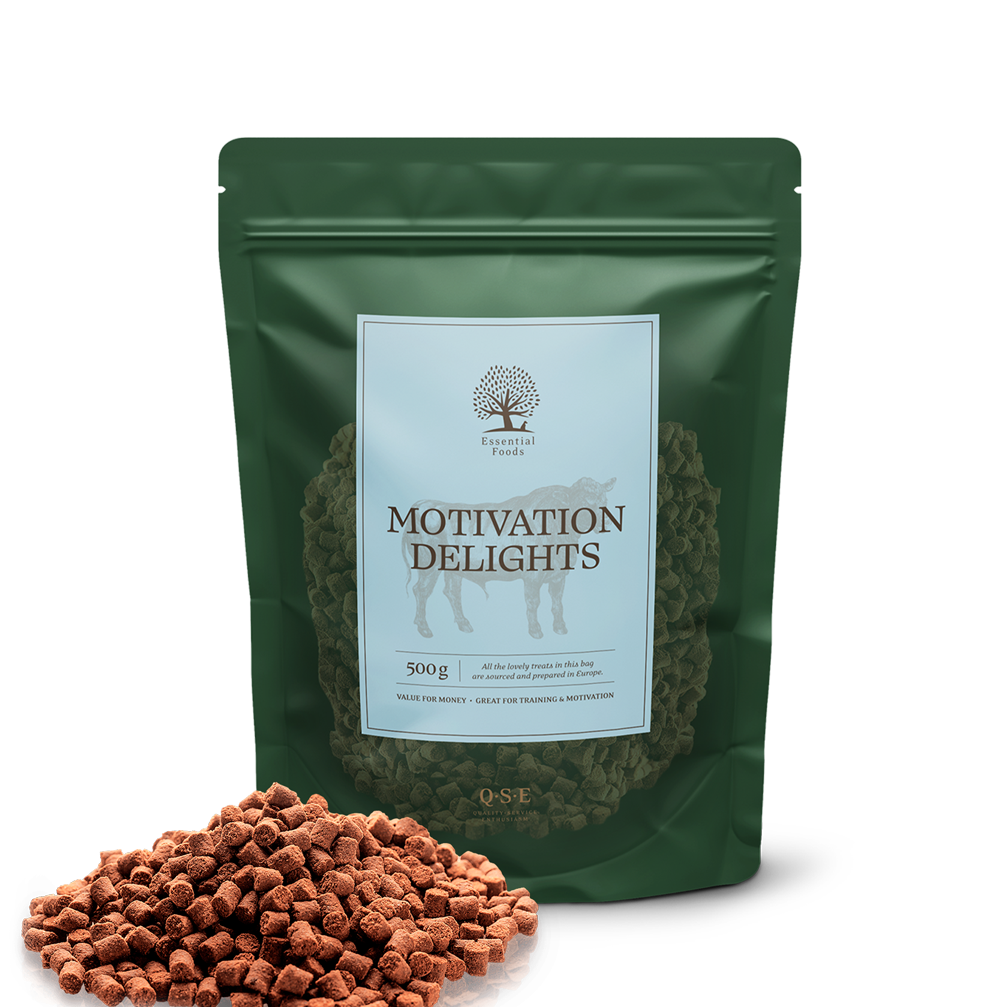
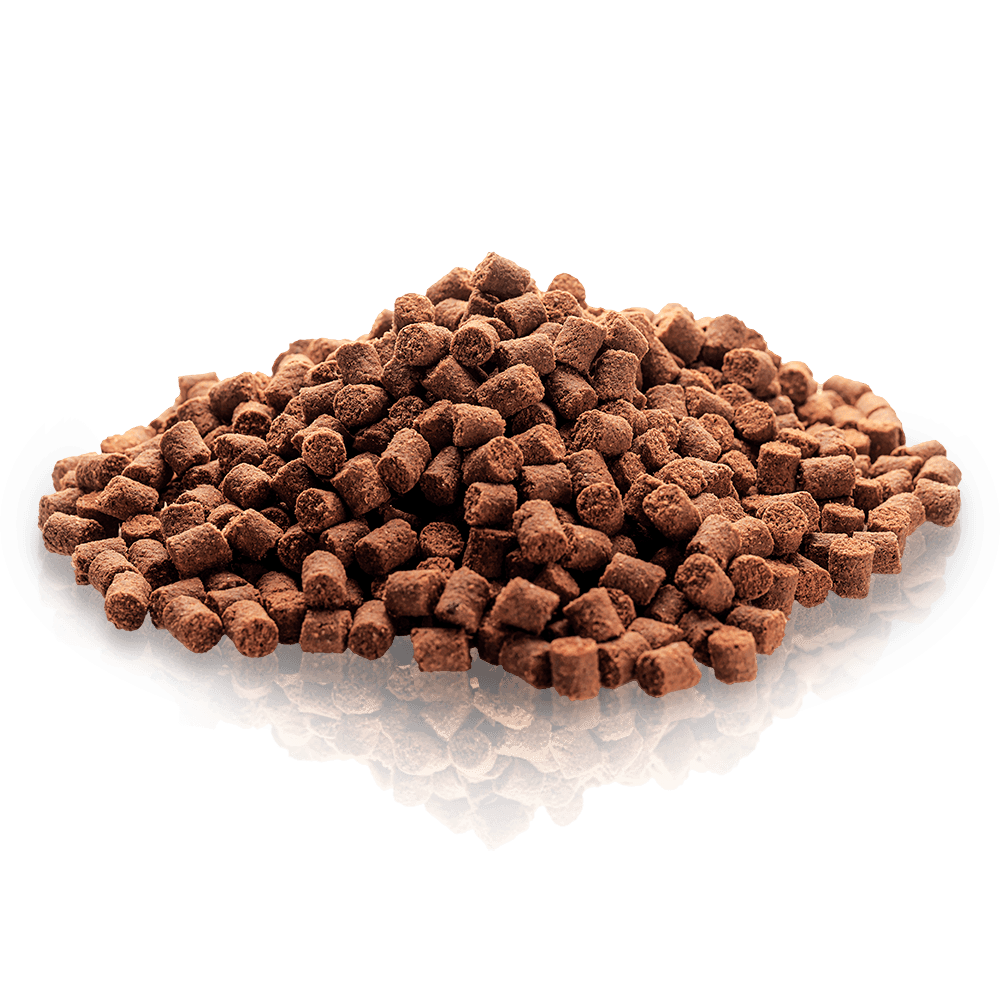
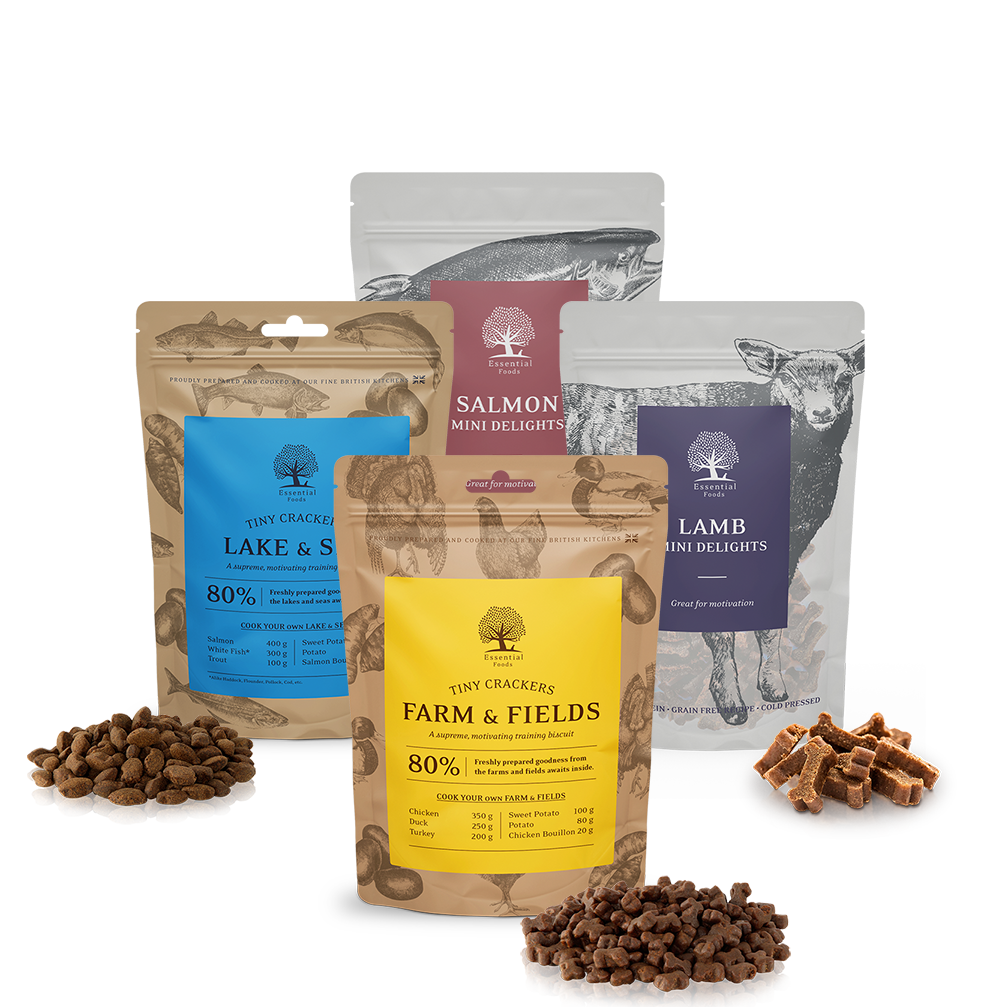
In this collection you will find exactly that type of reward. MOTIVATION DELIGHTS is made to motivate during training, and THE TRAINING BOX brings together several flavour varieties, so you can alternate between them and keep the reward interesting. The small TURKEY MINI DELIGHTS and SALMON MINI DELIGHTS fit well in a treat bag and don't crumble in your pocket. If you want to see the whole selection of rewards across the collection, you can continue to training treats and treats.
From what age can a puppy have training treats
Most puppies can start with small, soft training treats around the time they begin to eat solid food on their own, that is from about seven to eight weeks of age, when they typically move away from home. What matters is not a specific date, but that the treat is gentle enough for a mouth with milk teeth and a stomach that is still sensitive. Stick to soft, easily digestible pieces and avoid hard chew bones and large chunks in the early days.
Start small when the puppy has just moved in. A single treat at a time, used deliberately as a reward, teaches the puppy from the beginning that it pays to cooperate. If you want to read more about it, we have gathered advice in the article when can puppies have treats and what can puppies have as treats.
How many treats can a puppy have per day
A good rule of thumb is that treats should make up no more than around 10 percent of the puppy's total daily energy intake. The rest should come from a complete puppy food, so the puppy gets the right balance of protein, fat, calcium and phosphorus that a growing body needs. If you use many treats on an intensive training day, then cut down the day's food correspondingly, so the puppy doesn't end up with too many calories.
This is precisely why small treats are an advantage: the smaller each piece is, the more repetitions you can do within the 10 percent. You can also split a treat into two or three when you train a lot. We go into more depth on the calculation in how many treats can a dog have.
Why small and soft is best during training
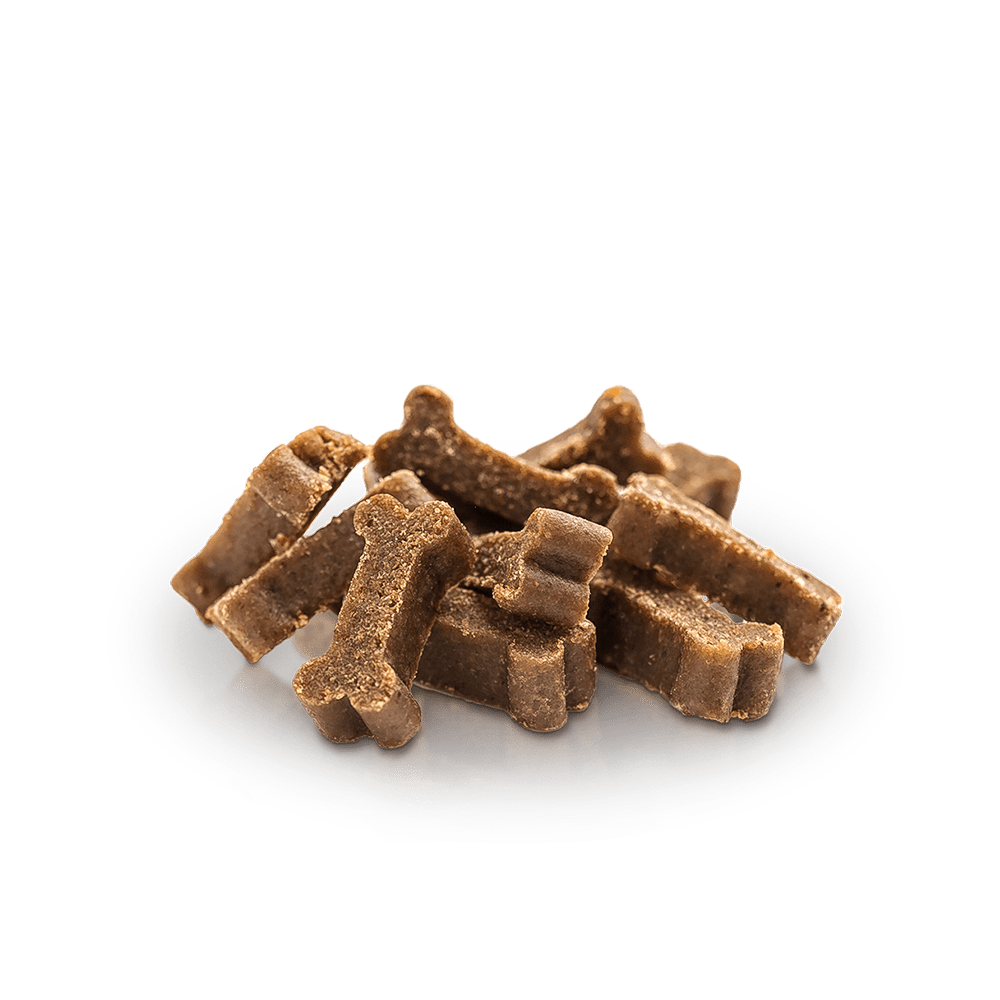
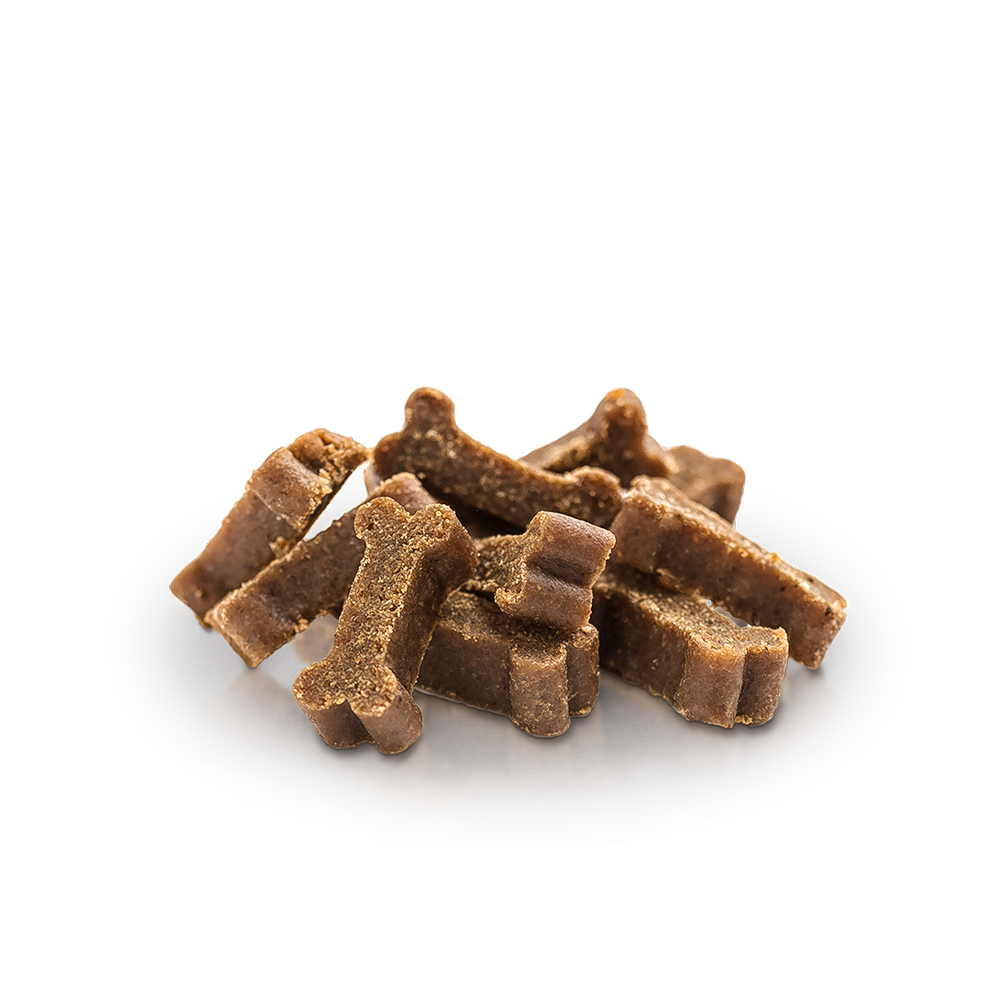
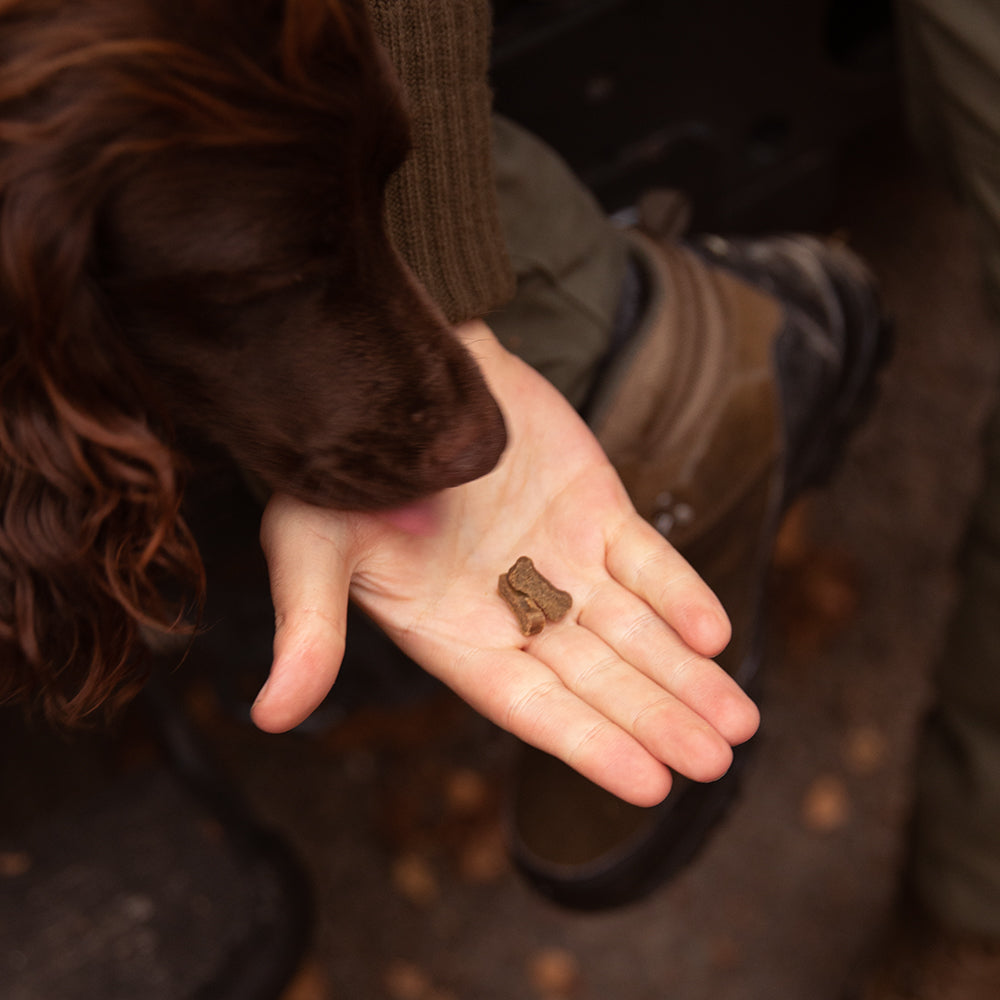
During training you often reward in quick succession, and here the shape of the treat means everything for the outcome. A soft piece the puppy can swallow in an instant keeps the eye contact and the momentum, whereas a hard piece requires the puppy to sit down and chew, causing concentration to drop. Soft treats are at the same time easier for tender milk teeth and an immature stomach.
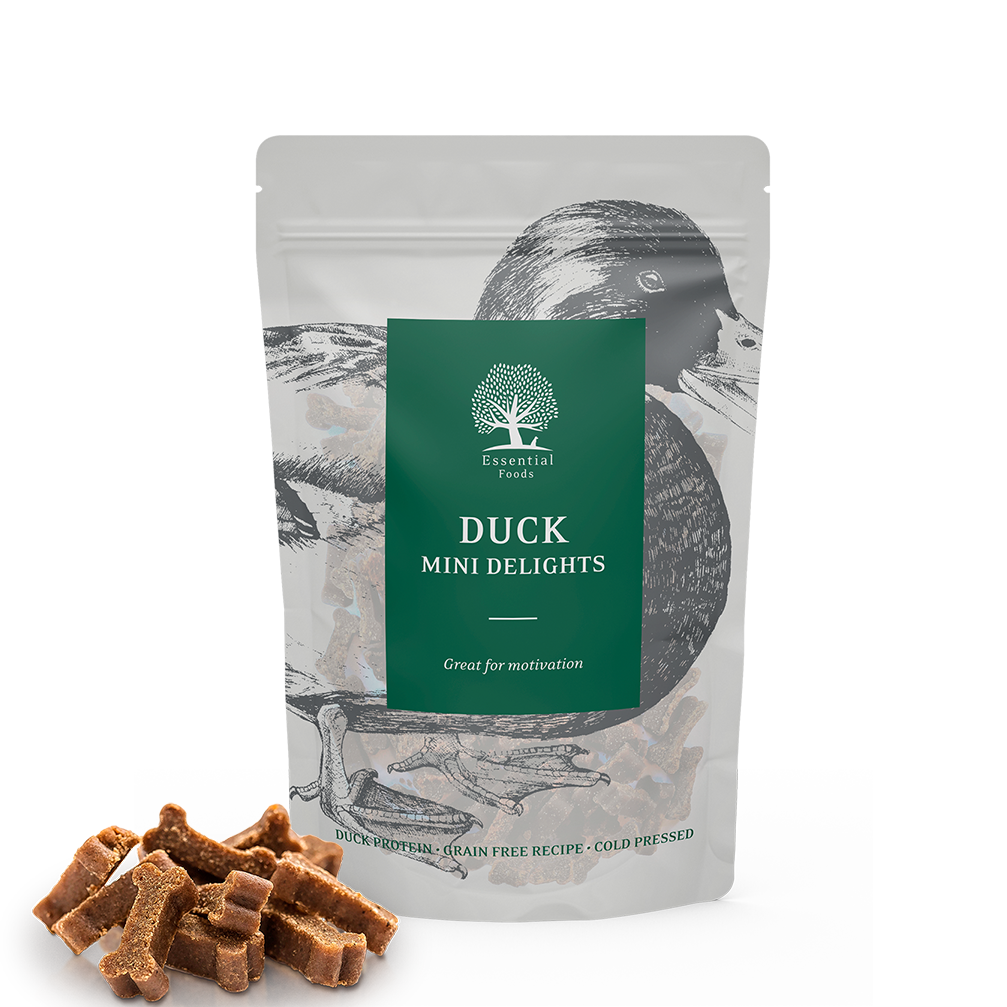
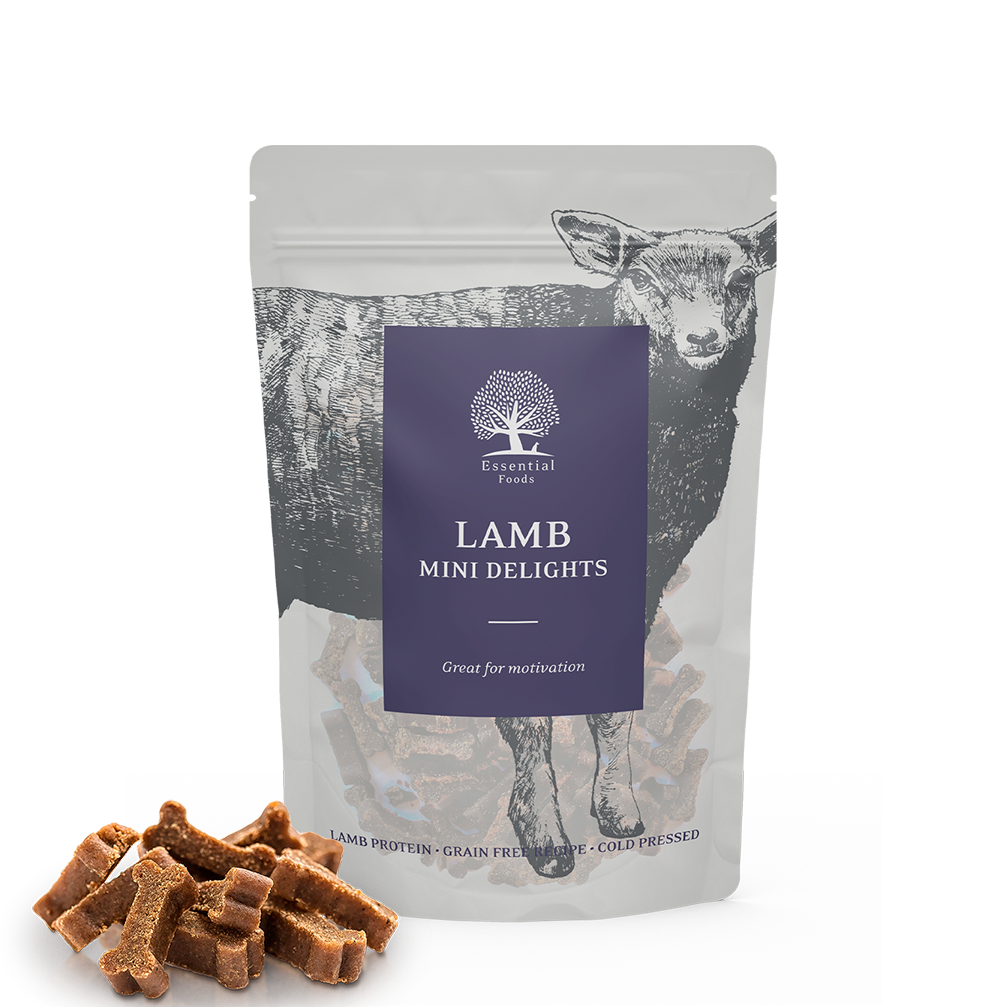
The mini varieties in the collection are created for exactly this. DUCK MINI DELIGHTS and LAMB MINI DELIGHTS are small enough for many repetitions, and they don't crumble, so the treat bag stays clean. If you need to use a large quantity of rewards in a short time, this is the type you should have in your pocket.
Alternate between flavours to keep motivation up
A puppy quickly gets used to the same flavour, and a treat that worked on Tuesday can lose its pulling power by Friday. By having several flavours at hand you can vary the reward according to the difficulty of the task: an ordinary treat for what the puppy already knows, and an extra tasty one for the hard things, such as recall with distractions.
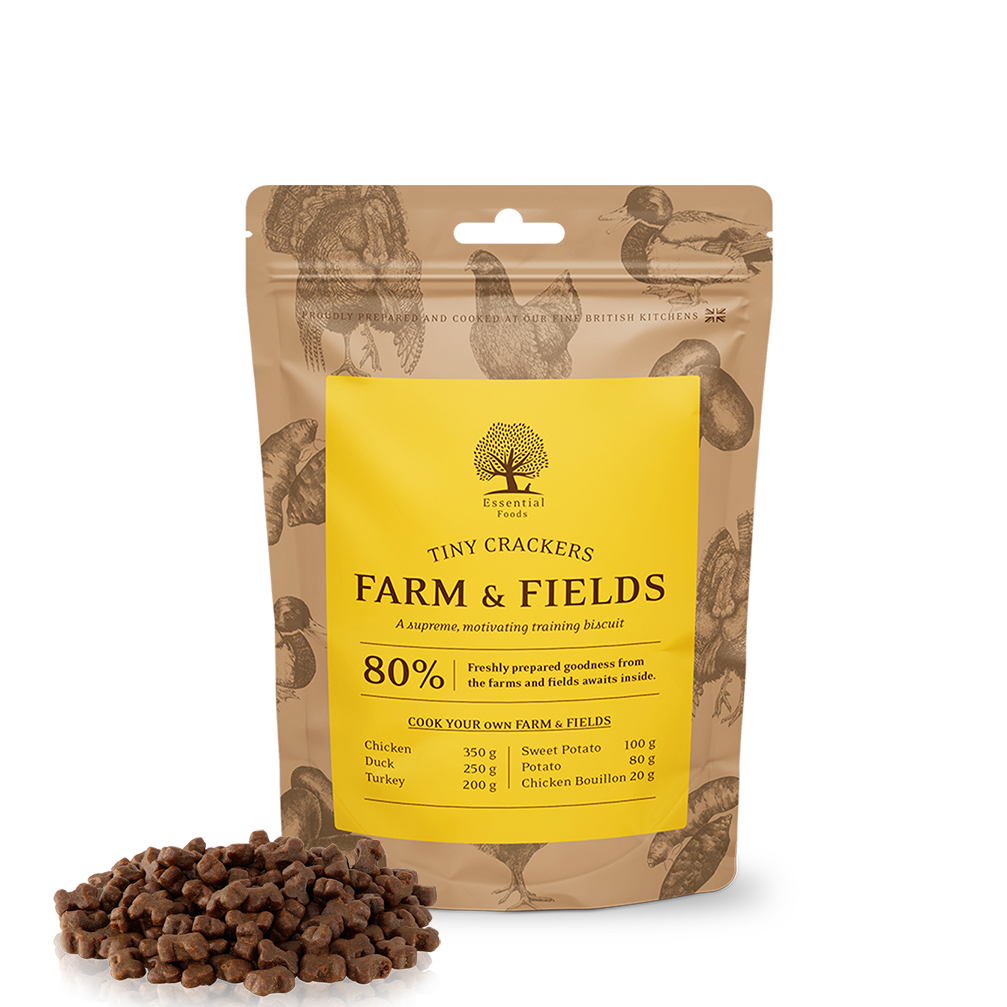
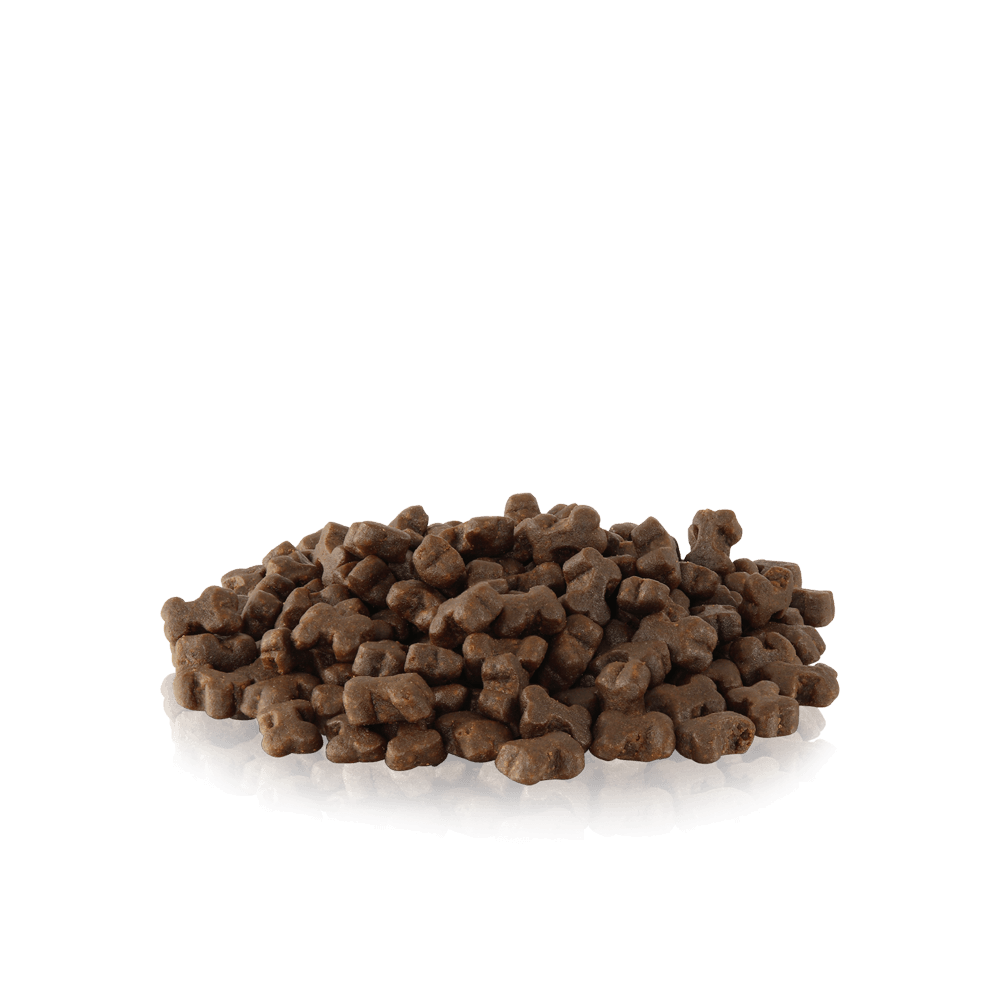
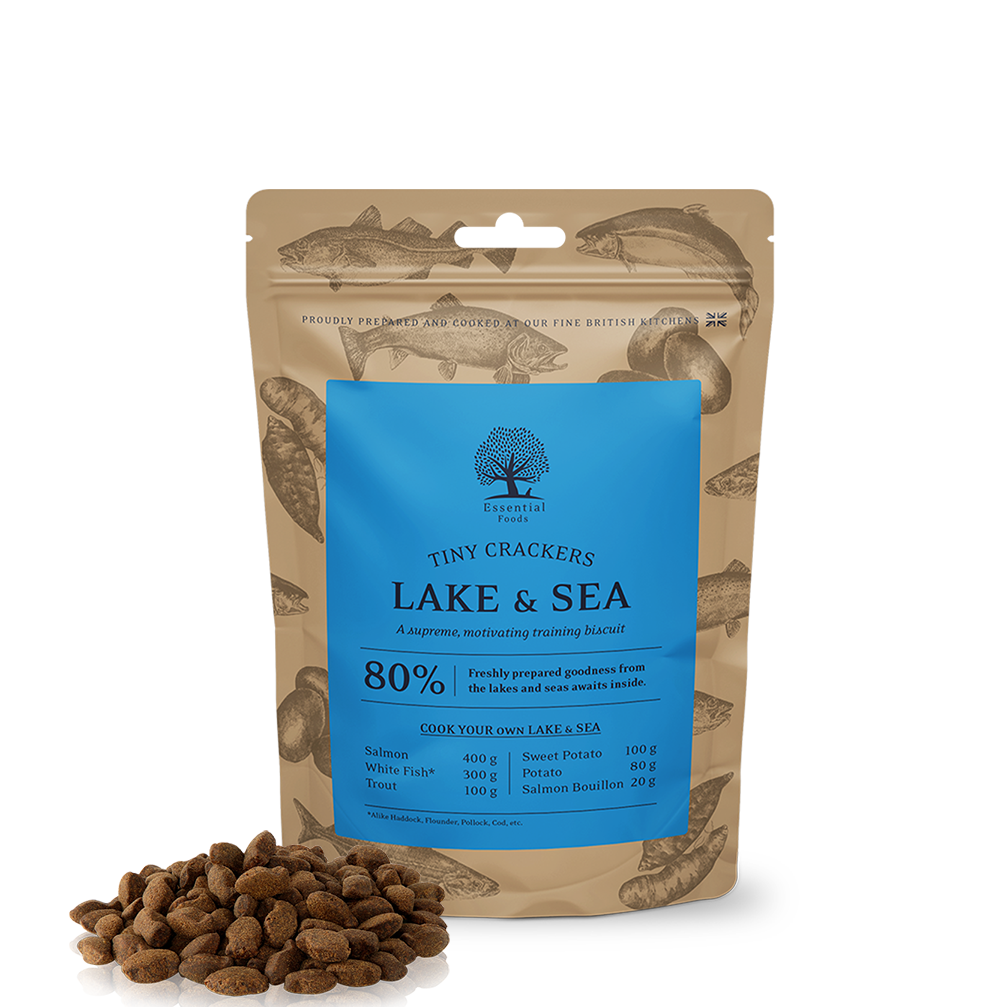
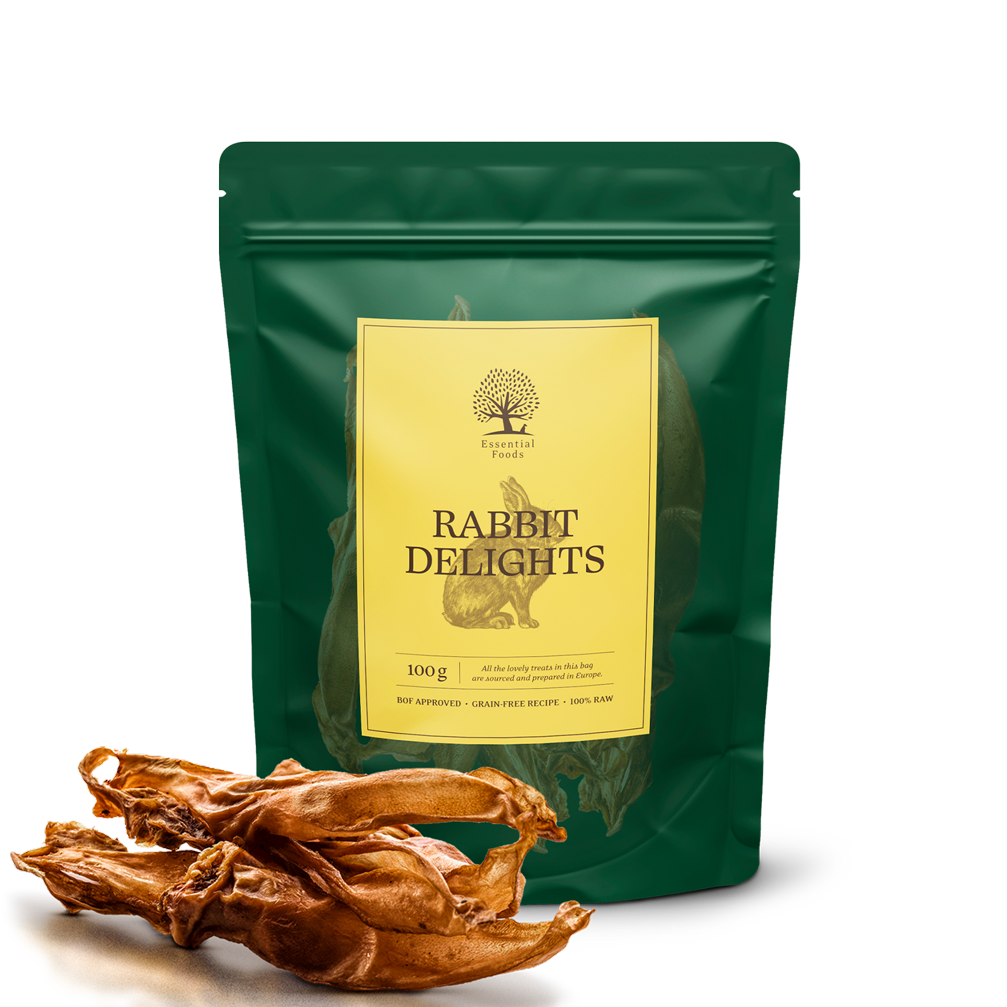
That is why it is practical to have both poultry and fish in the bag, for example TURKEY MINI DELIGHTS and SALMON MINI DELIGHTS, as well as the cracker-like FARM & FIELDS TINY CRACKERS and LAKE & SEA TINY CRACKERS. RABBIT DELIGHTS is a good card to keep up your sleeve for the hardest exercises, precisely because rabbit rarely appears in the puppy's daily food and therefore seems extra exciting.
How treats and puppy food fit together
Treats are a supplement to rewarding, not a replacement for a complete meal. The foundation for healthy growth is still a puppy food that is composed for the phase the puppy is in. If you choose food and treats from the same philosophy, with high meat content and easily digestible ingredients, you also reduce the risk of the stomach reacting to a new flavour in the middle of training.
See the puppy's food in the collection puppy & junior, and if the stomach needs to be eased gently into the new everyday life, pâté for puppy & junior can be a soft supplement. If you want to get a handle on the big picture from day one, we bring it together in the ultimate puppy guide and in advice on the training itself in puppy training good advice first months.